Team Leader by Design: An interview with Mark McGuinness
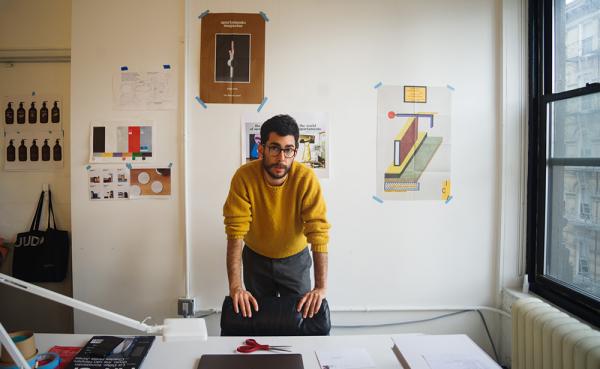
Photo by Christina Jansen
I
serendipitously stumbled upon Mark McGuinness last year and realized he was
probably the most important “find” I’d ever made. Mark
is a business coach and trainer specializing in work with creative
professionals. He helps organizations get the best out of creative workers by
addressing their motivations and working conditions. He is also the author of
two popular blogs about creativity and business: Lateral Action and Wishful Thinking.
Mark’s unique
professional background—he’s been a poet, academic, entrepreneur, coach, author
and thought leader—and his passion for the creative and business worlds have
enabled him to distill and articulate the problems that creatives working in
organizations face, as well as the unique opportunities to which they have
access.
From your
perspective, as a design management consultant, trainer and coach, what do you
see as the biggest gaps in design team leads’ skills and aptitudes?
In terms of the skills gap, one of the
biggest challenges faced by those moving from designer to team leader is the
fact that design management and people management are different disciplines,
and they require different skills.
When you’re working on a design project
yourself, you can exert a high degree of control over the work, but when you’re
a leader, your job is to facilitate
other people’s creativity. So there’s the challenge of letting
go a little and allowing others to come up with solutions that may be different
than the ones you would have chosen. The flip side is that, as a manager, you’re
responsible for delivering results on-brief, so there will be times when you
need to exert influence and get people to change their work without puncturing
their enthusiasm. That’s not easy!
In terms of the nuts and bolts, leaders
need to master communication skills such as active listening, asking the right
questions and delivering feedback in a way that strikes a fine balance between
control and creative freedom.
How have you been
focusing your efforts to support your clients?
In order to seize the opportunity I described
earlier, design leaders must achieve two complementary goals. The first is
raising performance and developing skills within the team. The second is
communicating the team’s ideas and the value of their work to external
stakeholders.
I help managers reach the first goal by
assisting them in becoming better coaches. Because they’re the biggest
influence on their team members, managers are perfectly placed to coach their
team on a daily basis—clarifying goals, stimulating thinking and giving
feedback. I “coach the coach,” helping managers improve their own
performance on the job.
In regard to the second goal, I’m
finding a growing demand for presentation skills training for creatives.
Internal stakeholders and external clients increasingly want to see designers
present their own ideas. This can be a challenge for creative types used to
spending their days glued to their computers!
The good news is that designers can
play to their strengths by taking a creative
approach to presentation design and delivery. This not only makes presenting
more enjoyable for the designers, it also offers a refreshing change for
audiences that have grown accustomed to “death by PowerPoint.” When a
designer stands up and wows an audience with a creative and thought-provoking
presentation supported by beautiful slides, it reinforces the message that design
is a powerful business communication tool. It also demonstrates that you’re in
the presence of an expert in the discipline.
What do you see as
in-house leads’ biggest external challenges?
I’d say very high up the list is
communicating the value of design to non-specialist stakeholders—people in
other departments, partner organizations and clients. To do this, you need to
have a deep understanding of the business problems your design team solves and
you need to be able to articulate them in terms that all stakeholders can
understand. Another aspect of this challenge is helping your team develop
resilience in the face of poorly worded briefs and feedback from stakeholders.
Evolving from
order-taker to strategic partner has always been a challenge for in-house
teams. Would you offer up some insights into this challenge?
The price of becoming a strategic
partner is that you can’t be precious about design and creativity—you have to
get your hands dirty and engage with commercial realities. To rise to
this challenge you’ll need to step outside your comfort zone, see things from
different perspectives and begin to understand the language and culture of
business.
In practical terms, this means learning
as much as possible about your organization—its structure, strategic goals and
business model(s)—as well as the wider industry context.
Secondly, it’s about developing your
communication skills so that you can interface effectively with collaborators
from many different backgrounds. Aim to become what David Armano calls a
T-shaped creative—someone with both in-depth specialist knowledge (the
long, vertical stroke of the T) and an understanding of the roles and
disciplines with which you intersect (the horizontal stroke).
Another challenge—it
seems like there are all sorts of challenges here—is maintaining a culture
within an in-house team that encourages creativity and collaboration in a
corporate environment that may be at odds with that intent.
Challenges aren’t far to seek! In fact,
there are two basic interlocking challenges here. One is establishing a
close-knit team bond, where you support each other. The other is making sure
the team is open and engaged with other stakeholders.
In terms of bonding, you can make a
virtue of necessity—seeing the team as an “oasis” of design thinking within a
corporate environment can have a positive effect on morale. But beware of
creating too much of an “us and them” culture!
It’s essential to foster a strong
culture of encouragement and feedback within the team. Peer respect is hugely
motivating for designers, so you can harness this by making it clear to members
of the team that they are responsible for collectively raising the bar, not doing great work in isolation
at others’ expense.
Sharpen up your own feedback skills and
make sure everyone on the team knows how to deliver feedback effectively. Make
it clear that destructive criticism will not be tolerated. An important but
often-overlooked skill is the art of receiving
feedback effectively. Help your team deal with poorly worded or even aggressive
feedback from outside by teaching them to ask questions in order to clarify
criteria and find out what external stakeholders really want. This not only
helps team members develop thicker skins, it also elicits higher quality feedback,
giving designers a better chance of reaching a solution everyone is happy with.
Another big benefit of engaging with
external stakeholders in this way is building stronger relationships with them.
When a designer doesn’t just wilt in the face of feedback but stands their
ground, asks questions, listens carefully and responds with new ideas, they
earn respect.
About the Author:
Andy Epstein started his career as a freelance designer and illustrator with clients as varied as Bacardi, Canon, Bantam Books and Merck. Jumping into the world of in-house in 1992, Andy created and grew in-house design teams for Commonwealth Toy and Gund.
He later restructured and expanded the hundred-person creative team at Bristol-Myers-Squibb and consulted at Johnson & Johnson. After a three year stint at Designer Greetings leading an in-house design team responsible for the company’s product lines and Point
Of Sales materials, Andy moved back into pharma heading up a 65+ managed services team at Merck.
Andy has written and spoken extensively on in-house issues and published “The Corporate Creative”, a book on in-house design, in partnership with F&W Publications in the spring of 2010. He is a co-founder of InSource, an association dedicated to providing
support to in-house designers and design team managers. Most recently he was head of INitiative, the AIGA program dedicated to in-house outreach and support where he expanded on his efforts to empower in-house teams and raise their stature in the design and
business communities.